



Do You Need Planning Permission?
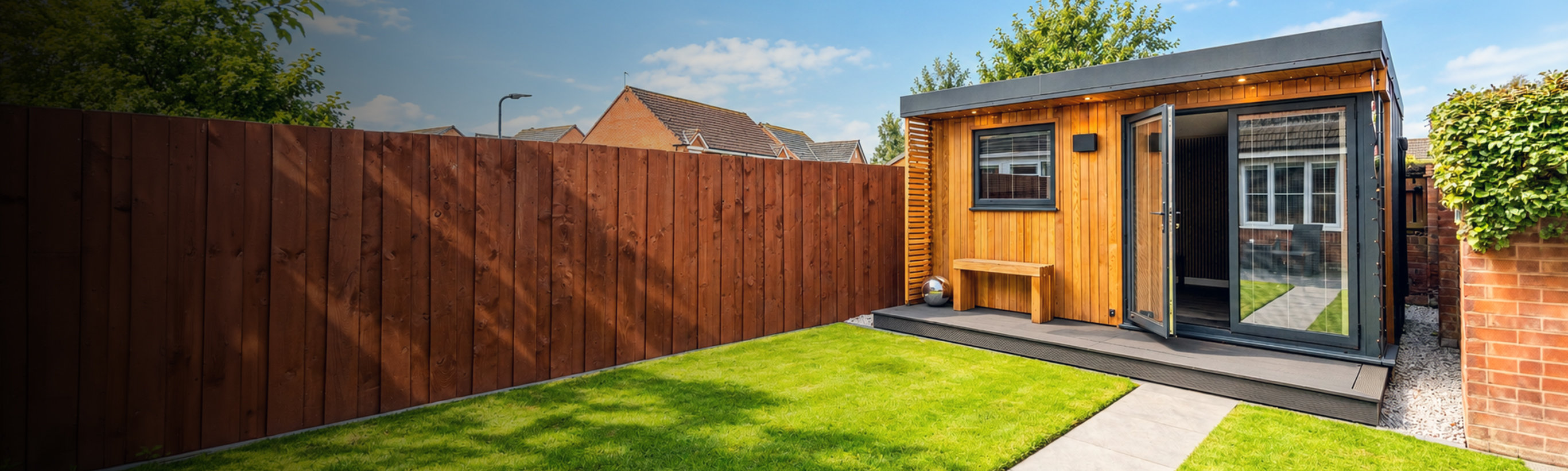
The single most common question we're asked by customers is whether a garden room needs planning permission. The good news is that many don't - they fall under so-called permitted development rights. But those rights come with conditions on size, height, room position and use, and there are exceptions for certain properties. This guide explains the rules in plain English.
In Short
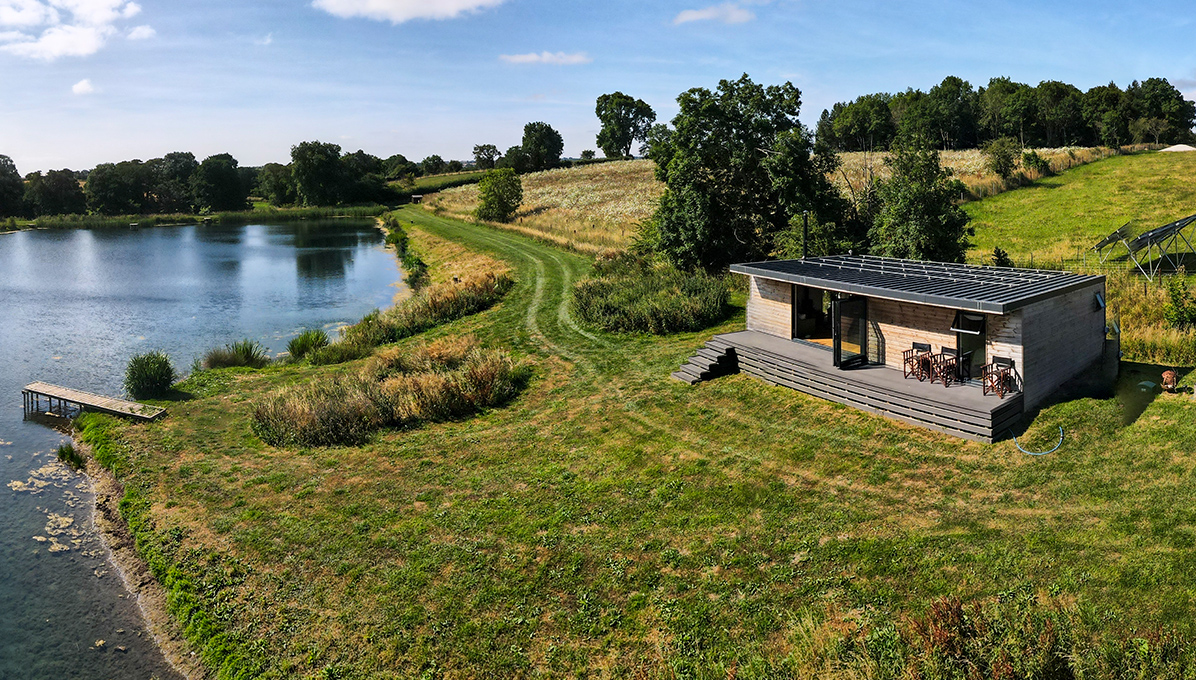
Many garden rooms don't need planning permission because they fall under permitted development - provided they're single storey, are no more than about 2.5m high if near a boundary, are not in front of the house, don't cover more than half the garden, and aren't used as self-contained living accommodation. Listed buildings and homes in conservation areas and Areas of Outstanding Natural Beauty have tighter rules.
Quick Checklist:
✔ Single storey, used for something ancillary to the home (office, gym, studio).
✔ External roof no higher than 2.5m when within 2m of the boundary.
✔ Overall height within 4m (dual-pitch) or 3m (other roofs) when over 2m from all boundaries.
✔ Set behind the front of the house, not in the front garden.
✔ Covering no more than 50% of your original garden space.
✔ Commercial uses- such as business premises.
✔ Anything used as self-contained living accommodation.
✔ Builds within 2m of a boundary (height capped at 2.5m).
✔ Anything over the standard size, height or coverage limits.
✔ You live in a Listed building, Flat or on protected land with article 4 direction applied.
This is a general guide only. Permitted development rules vary by property and location, so speak to your local planning authority or our team for advice on your specific project.
TIGER MODULAR TIP!
The 2.5m height limit near a boundary catches many people out. If you want a taller room or a pitched roof, keep it more than 2m from every boundary.
What Is Permitted Development?
Permitted development rights allow certain building works - including many outbuildings such as garden rooms - to go ahead without a full planning application, provided they meet set conditions. If your garden room stays within these limits, you generally won't need to apply. If it exceeds them, you'll need planning permission.
For the full, current technical detail directly from government, see the GOV.UK guidance on permitted development rights for householders (gov.uk/government/publications/permitted-development-rights-for-householders-technical-guidance).
Don't Forget Building Regulations
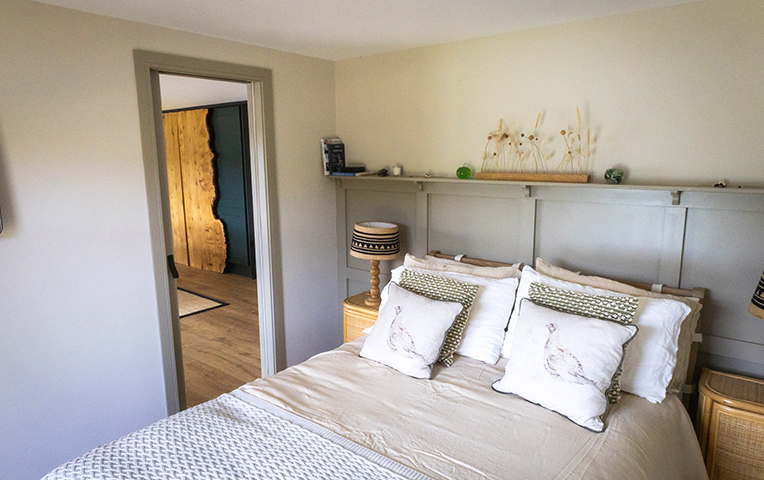
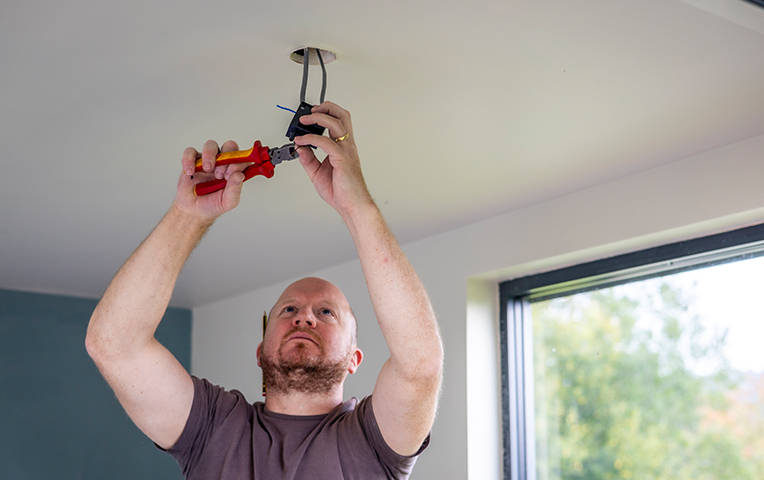
Planning permission and building regulations are different things. Even a room that doesn't need planning permission may need building regs approval - for example if the floor area is large, or if it will be used for sleeping. Electrical work is also covered by building regulations.
How To Be Certain
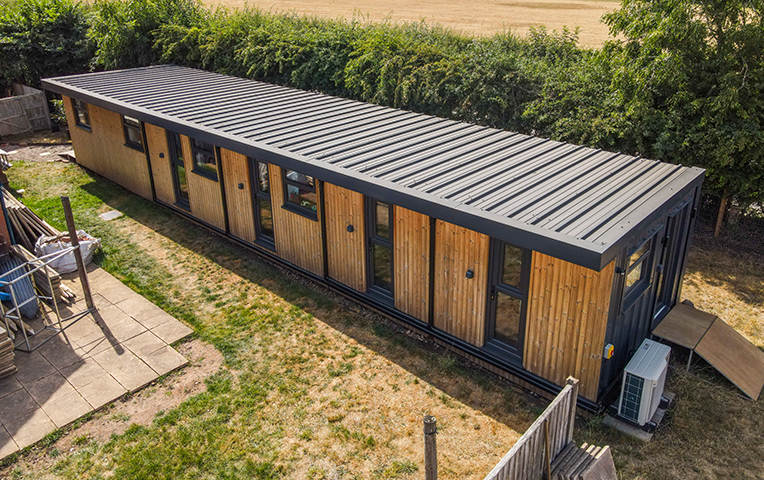
If you want absolute certainty, you can apply to your local planning authority for a Lawful Development Certificate, which confirms your room is a permitted development. It's not compulsory, but it provides useful proof for the future - for example when you come to sell your home. When in doubt, a quick conversation with your council, or with Tiger Modular's planning specialists, saves a lot of worry.
Common Questions
Often not - many garden rooms fall under permitted development if they're single storey, within height limits, not in the front garden, and not used as living accommodation. Check the current rules for your property.
You can usually build close to a boundary, but if you're within 2m of a boundary, the overall height of a building is generally limited to 2.5m. Beyond 2m, you have more height flexibility.
Usually not, if it's used as incidental space within permitted development limits. Using it as a business with staff or customers visiting, or as living accommodation, changes things.
Permitted development rights are often restricted in conservation areas, national parks and Areas of Outstanding Natural Beauty. Check with your local authority before building.
Conclusion
Most insulated garden rooms can be built under permitted development, which is one of their great advantages. But the conditions on height, position and use genuinely matter, and certain properties have tighter rules. Check the current limits for your home, remember that building regulations are separate, and consider a Lawful Development Certificate for peace of mind. Get this right and the rest is easy.
Sources & Further Reading
✔ Planning Portal - outbuildings & permitted development - planningportal.co.uk/permission/common-projects/outbuildings
✔ GOV.UK - Planning permission - gov.uk/planning-permission-england-wales
✔ GOV.UK - Permitted development rights for householders: technical guidance - gov.uk/government/publications/permitted-development-rights-for-householders-technical-guidance
✔ GOV.UK - Building regulations approval - gov.uk/building-regulations-approval
Ready To Talk About Your Project?
Get in touch with our team or book a free design consultation to start planning your perfect space.
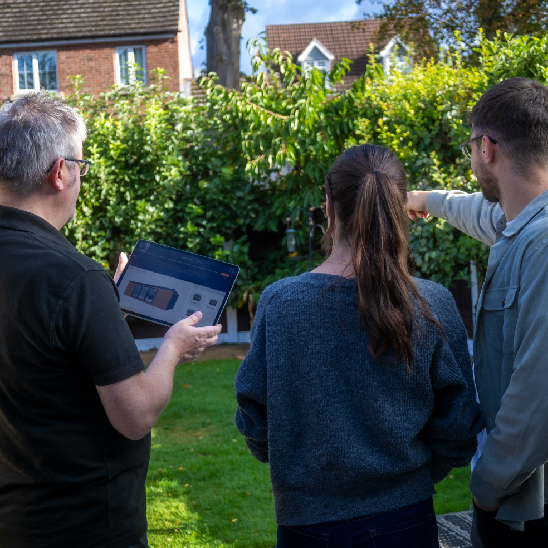
Our experienced team is here to guide you to your perfect space.
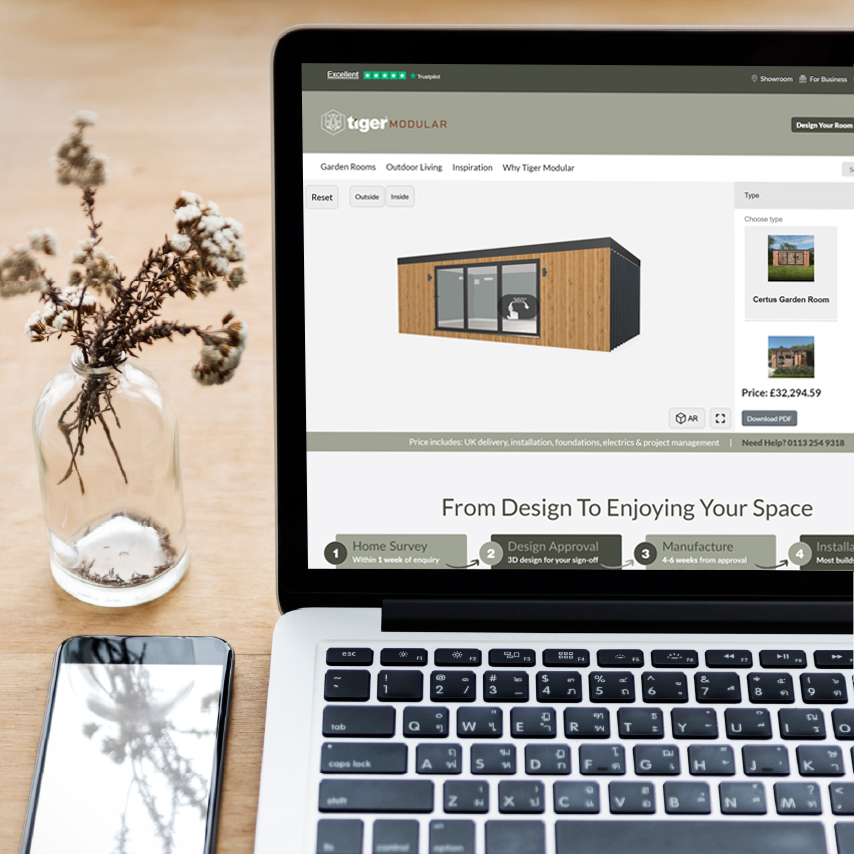
Our experienced team is here to guide you to your perfect space.
